
Family travel, differently: when the encounter becomes the real holiday memory
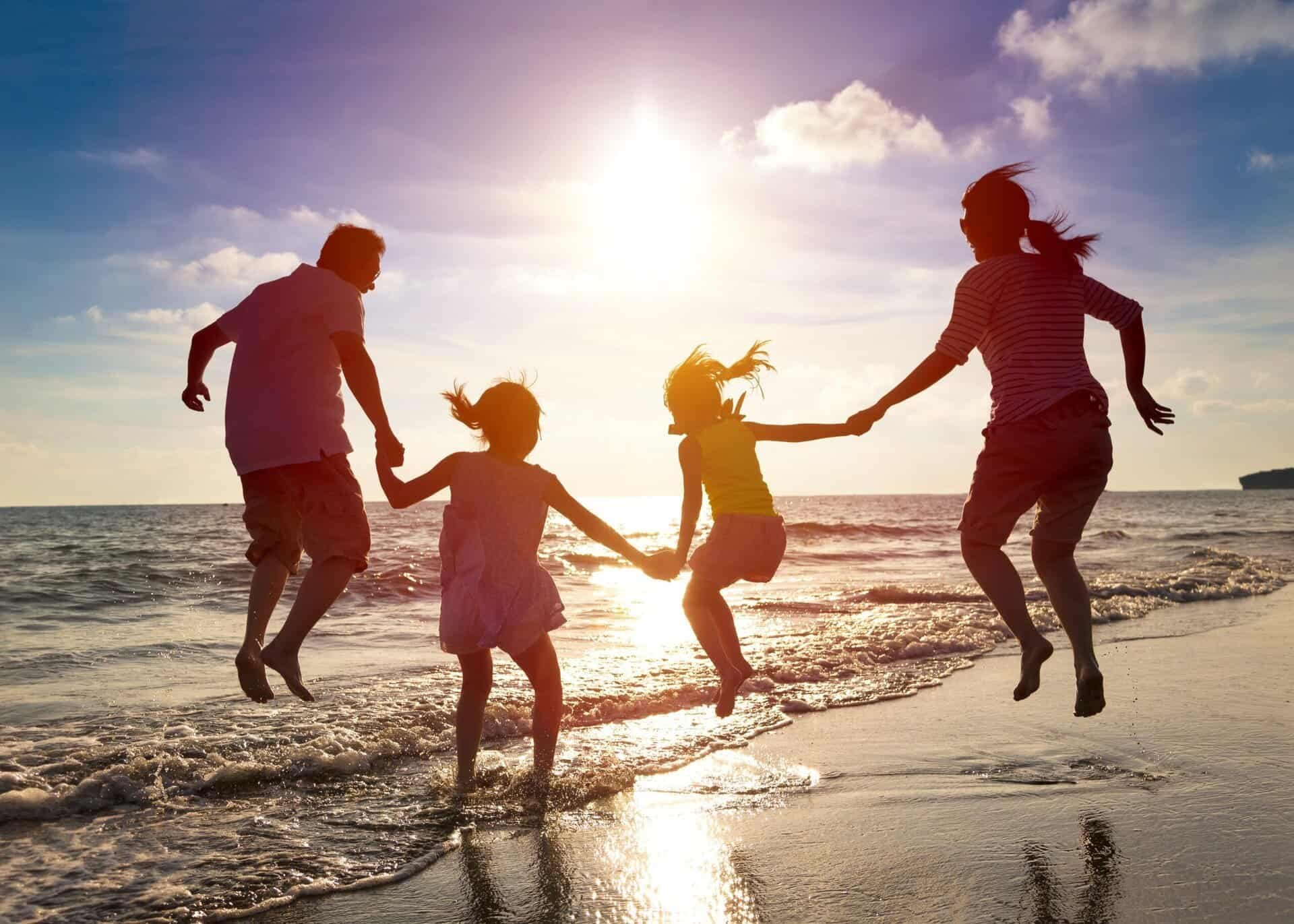
Ask a child what they remember from their last holiday. They'll rarely talk about a monument. They'll tell you about the woman who taught them to weave a leaf, or the man who let them strike the anvil.
That's the whole spirit of authentic family travel: fewer sights, more encounters. And it's no longer a niche. More and more families are looking for an original family holiday idea, one that brings them closer instead of wearing them out.
Family travel: what has changed
Family travel is no longer just monuments, an all-inclusive resort and a tightly timed schedule. According to an analysis published by Forbes in October 2026, the sector is growing, but what parents expect has changed profoundly.
Three trends stand out:
- Travel that transforms. Families prefer workshops, local food and exchanges with locals to simply looking on. What matters is no longer the destination, but the quality of the encounters there.
- Travel that passes something on. Parents want the trip to be an open-air classroom. They choose responsible family travel, which supports the local economy rather than global chains.
- Screen-free travel. Many families plan time offline so they can be truly present with each other, rather than documenting the trip on social media.
Forbes concludes that the travel industry will have to shift from selling destinations to selling shared human experiences. That's exactly what My Native Family is betting on.
Multigenerational travel: three generations, one memory
Travelling with grandparents, parents and children is becoming one of the big desires of the moment. Forbes notes the rise of these multigenerational trips, also called intergenerational travel, driven by parents caught between growing children and ageing parents of their own.
But a holiday with the grandparents isn't planned like a trip between adults. Everyone has their own pace, energy and wishes. The right format offers a shared base and activities where each generation finds its place.
That's where meeting an artisan works so well. In a workshop, no skill level is required. Grandad chats with the artisan, Mum has a go, the children make things. Everyone lives the same day, each in their own way.
A day with an artisan, at the heart of their workshop
Here's what a family immersion with My Native Family looks like.
You're welcomed at the artisan's home, in their workshop. No shop window or quick demonstration: you step into their everyday life. They show you their craft, handed down from generation to generation, then you get hands-on: the vacoa leaf, the iron or the lava stone in your hands.
Between two gestures, people open up. You talk about the neighbourhood, the family, the history of the craft, with your hands when words run out.
At the end, you leave with the object you made yourself, and an encounter you won't forget.
Workshops are kept small, never more than 4 people, so the encounter stays a real one. And 70% of what you pay stays in the country: 60% for the artisan, 10% for a trusted local partner.
Craft workshops: why children love them
A craft workshop with children, while travelling, succeeds where a museum often fails. Three reasons why.
- You do, you don't just watch. Children learn with their hands. Weaving, carving, shaping: they're the actors of the day, not spectators.
- You leave with something. The object they made becomes the souvenir of the trip, far stronger than a photo or a keyring bought in a shop.
- You see the world differently. Seeing that a basket or a knife takes hours of work changes how children see objects, and the people who make them.
Planning an immersive family trip: my tips
- Choose one or two strong experiences rather than ten visits. That's the principle of slow travel with kids: fewer stops, more memories.
- Plan quiet days around them. A day of immersion is full of emotion. Leave room to rest, especially with young children or grandparents.
- Prepare the children for the encounter. Show them photos of the country, learn a few words of the local language together, talk about the craft they're going to discover.
- Put the screens away for the day. A screen-free holiday isn't a punishment: it's what makes the encounter possible.
- Choose organisations that pay locals fairly. Ethical family travel starts with knowing where your money goes.
Live THE encounter with My Native Family
With My Native Family, I'm making a simple bet: the best travel memory is often a face. A workshop with an artisan is an encounter the whole family will remember for a long time, and a skill you bring home with you.
Looking for an original family holiday idea that brings young and old together? Give your family much more than a stay: a story to tell.
Discover the encounters here.
FAQ: authentic family travel
What is an immersive family trip?
It's a trip where you share the lives of local people instead of just sightseeing. You make things, talk, learn alongside someone, to understand the country from the inside.
From what age can a child take part in a craft workshop?
It depends on the workshop: weaving vacoa isn't the same as forging a knife. Artisans adapt the gestures to each person's age, and I'll help you choose the workshop that suits your children.
Is a workshop with an artisan suitable for grandparents?
Yes. The pace is gentle, everyone goes at their own speed, and older travellers especially enjoy talking with the artisan. It's an ideal format for a multigenerational trip.
How can you tell if a trip is truly responsible?
Look at the share of the price that goes to locals, the size of the groups and how the artisans are chosen. Responsible family travel is transparent on all three points.
Do you need to speak the local language?
No. A few words learned before you leave always go down well, but gestures, smiles and working with your hands are often enough to understand each other.
Laurita